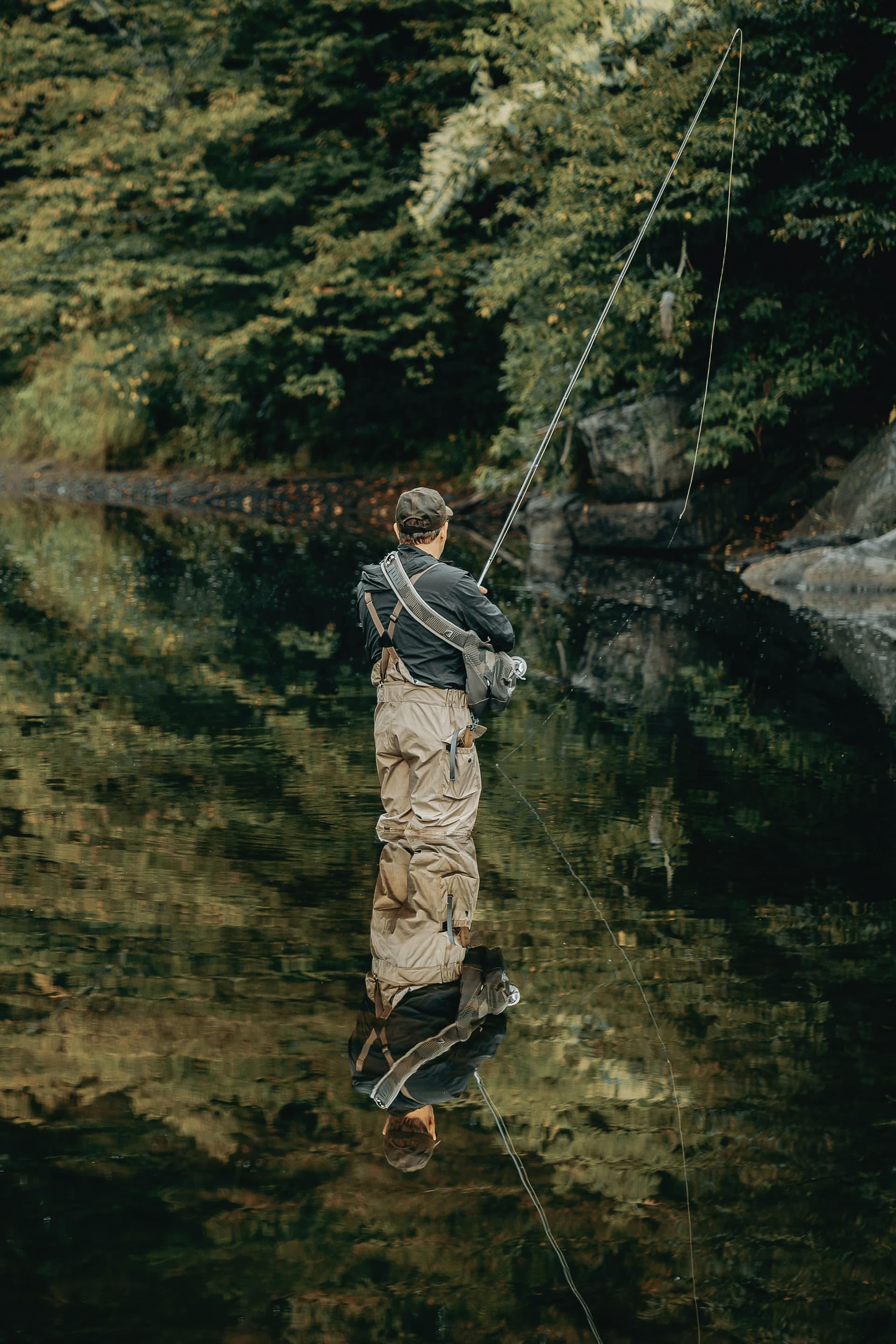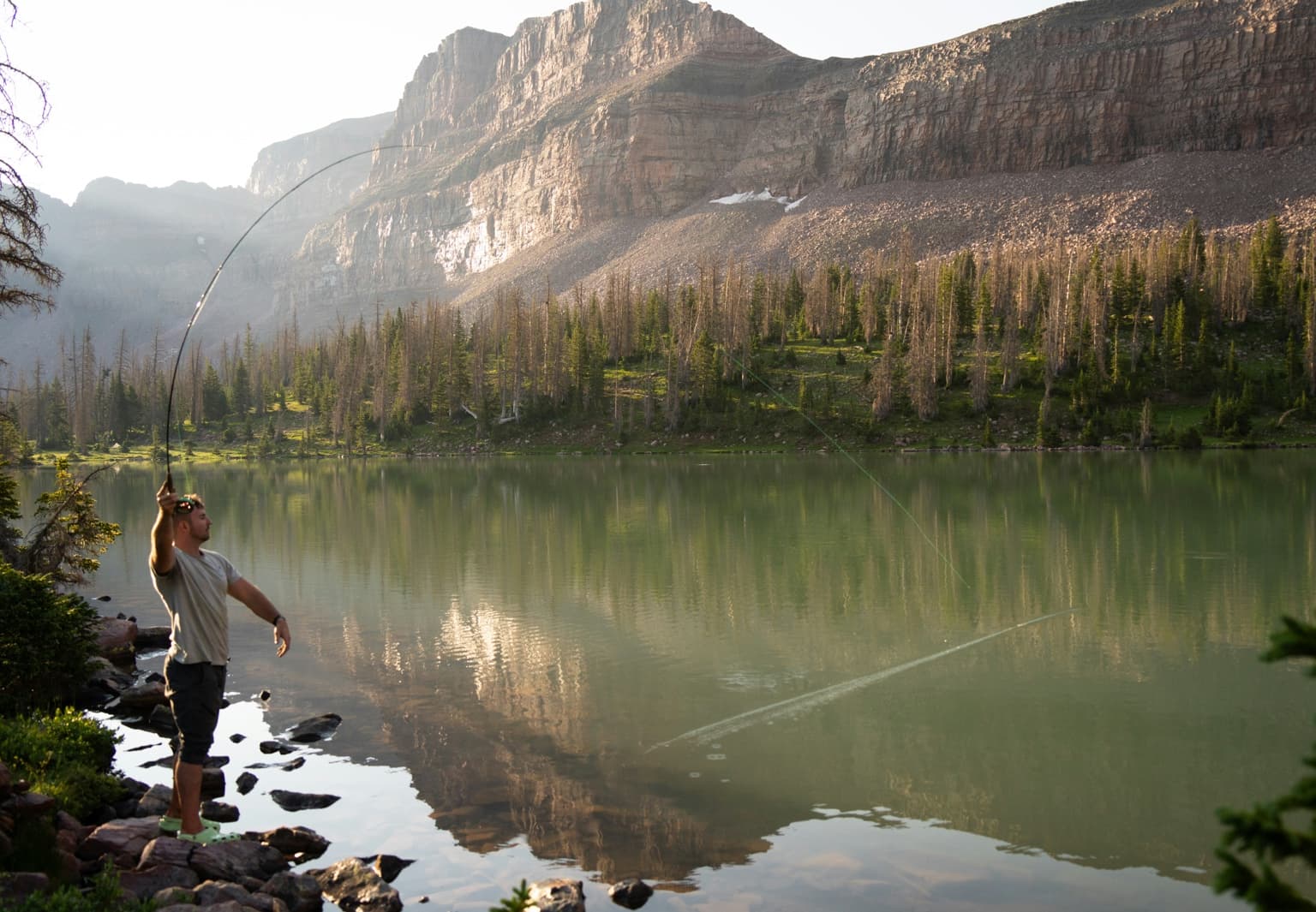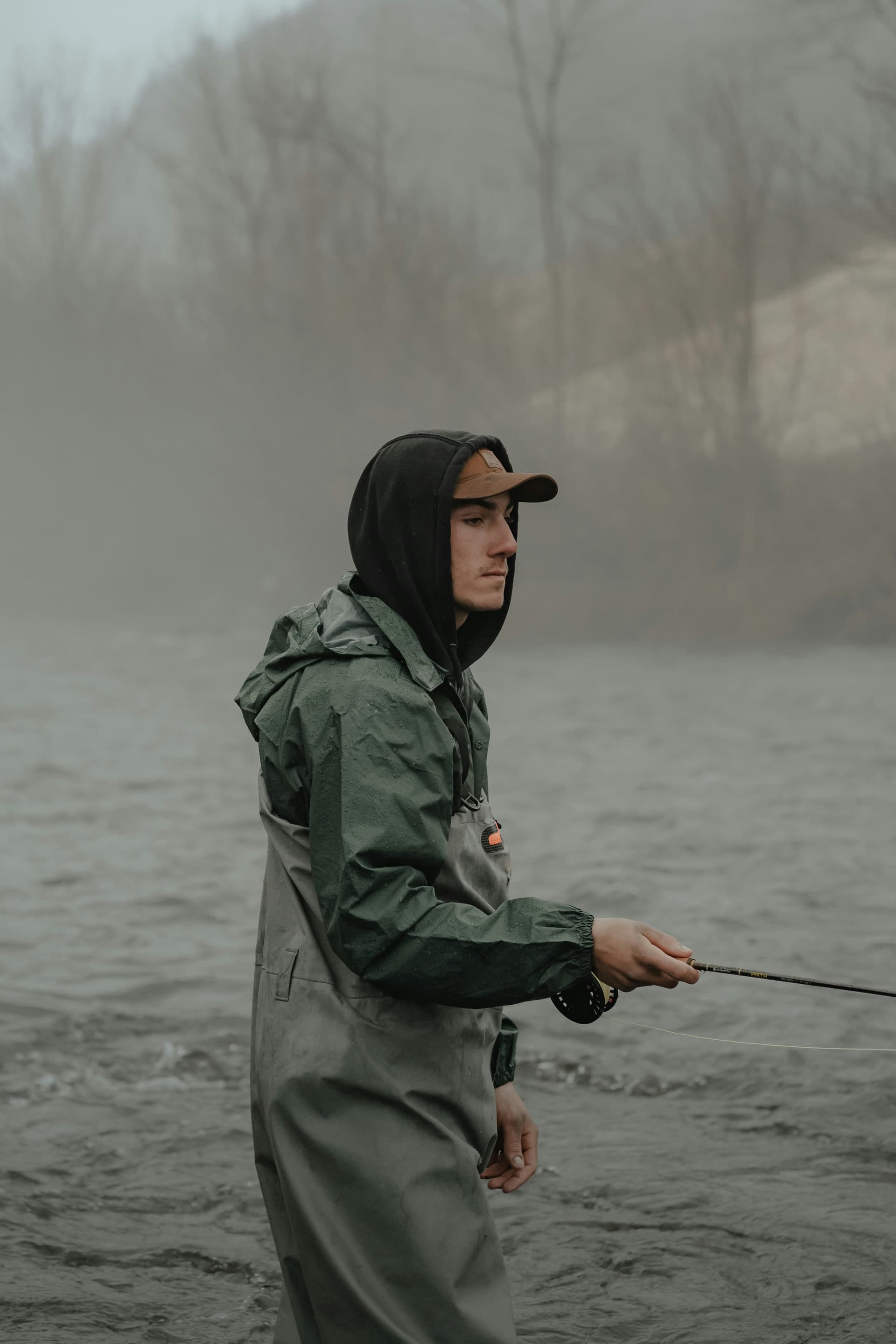
Here is an uncomfortable truth about fly fishing: the beautiful, visible, poetic part — dry fly fishing — accounts for maybe 20% of a trout's feeding activity. The other 80% happens below the surface, where nymphs, larvae, and emergers make up the bulk of a trout's diet.
If you want to catch more fish, you need to nymph. And if you want to nymph well, you need to understand the three main approaches.
Indicator Nymphing — The Approachable Method
Indicator nymphing uses a small float (the indicator) attached to your leader to signal when a fish takes your fly. It is the easiest method to learn and extremely effective in a wide range of conditions.
Setup: Attach your indicator to the leader at roughly 1.5 times the water depth. So if you are fishing three feet of water, set the indicator about four and a half feet above your fly. Use enough weight (split shot or a heavy tungsten bead) to get the fly near the bottom. The indicator should drift naturally with occasional subtle dips — not plunging under every two seconds.
The take: When a fish eats your nymph, the indicator will pause, dip, or move slightly upstream or sideways. Set the hook on anything that looks unnatural. Most missed fish are not refusals — they are strikes you did not see.
Euro Nymphing — The Precision Method
Euro nymphing (also called tight-line nymphing or Czech nymphing) eliminates the indicator entirely. Instead, you use a long, thin leader with a colored section (the sighter) that acts as your strike indicator. You stay in direct contact with your flies at all times.
Why it works: Without an indicator and fly line on the water, there is no drag. Your flies drift perfectly naturally at the speed of the current near the bottom. You feel the take directly through the rod rather than watching for a visual signal. It is more sensitive, more natural, and in skilled hands, devastatingly effective.
Setup: Use a 10 or 11-foot rod rated for 2-4 weight line. A long, level leader (15-20 feet) with a colored sighter section. Two flies — a heavier anchor fly on point and a lighter dropper 18 inches above. Tungsten beads are essential here because you need the weight concentrated on the fly, not added with split shot.
Technique: Cast upstream at a 45-degree angle. Raise the rod to keep the sighter off the water and track the drift by following with your rod tip. Keep slight tension on the sighter — not enough to pull the flies, but enough to feel the take. When the sighter hesitates or twitches, set the hook with a quick lift.
Dry-Dropper — The Best of Both Worlds
A dry-dropper rig uses a buoyant dry fly on top with a nymph suspended below it on a length of tippet. The dry fly acts as both an indicator and a potential second chance at a fish.
When to use it: This rig shines when fish are feeding both on top and below the surface, or when you are not sure which. It is especially effective during hatch transitions — when emergers are coming up but some fish are still picking off nymphs near the bottom.
Setup: Tie a large, buoyant dry fly (Stimulator, Chubby Chernobyl, or foam hopper) to your tippet. From the bend of the dry fly hook, tie 18-30 inches of 5X tippet to your nymph. The dry fly needs to be large enough to support the weight of the nymph without sinking.
Universal Nymphing Tips
Get deep. Most anglers fish too shallow. Trout feed near the bottom. Add weight until your fly occasionally ticks the streambed, then back off slightly.
Set the hook on everything suspicious. Underwater takes are subtle. A slight hesitation in your drift, a twitch of the indicator, a momentary tension in your sighter — set the hook. You will have false positives, but you will also catch fish you would have missed.
Slow down your drift. In faster water, your flies are moving faster than the natural food. Slow your presentation by mending upstream, raising your rod tip, or positioning yourself so you can control the drift speed.
Change depth before you change flies. If you are not catching fish, the problem is usually depth or speed, not the pattern. Adjust your indicator position or add weight before you start swapping flies.